
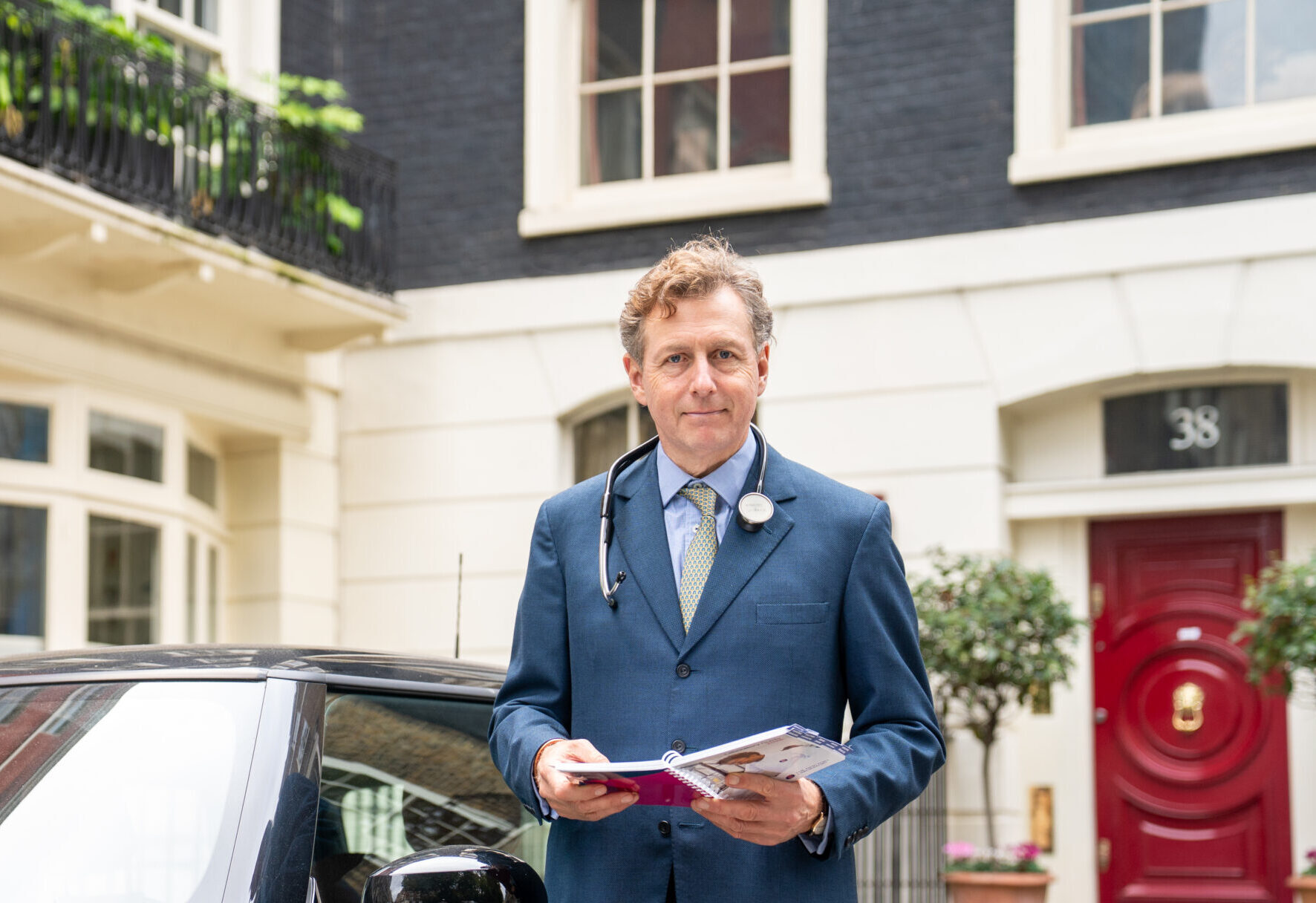
Doctorcall Founder Dr Charles Levinson reflects on three decades of GP home visits in London and Doctorcall’s growing national housecall service
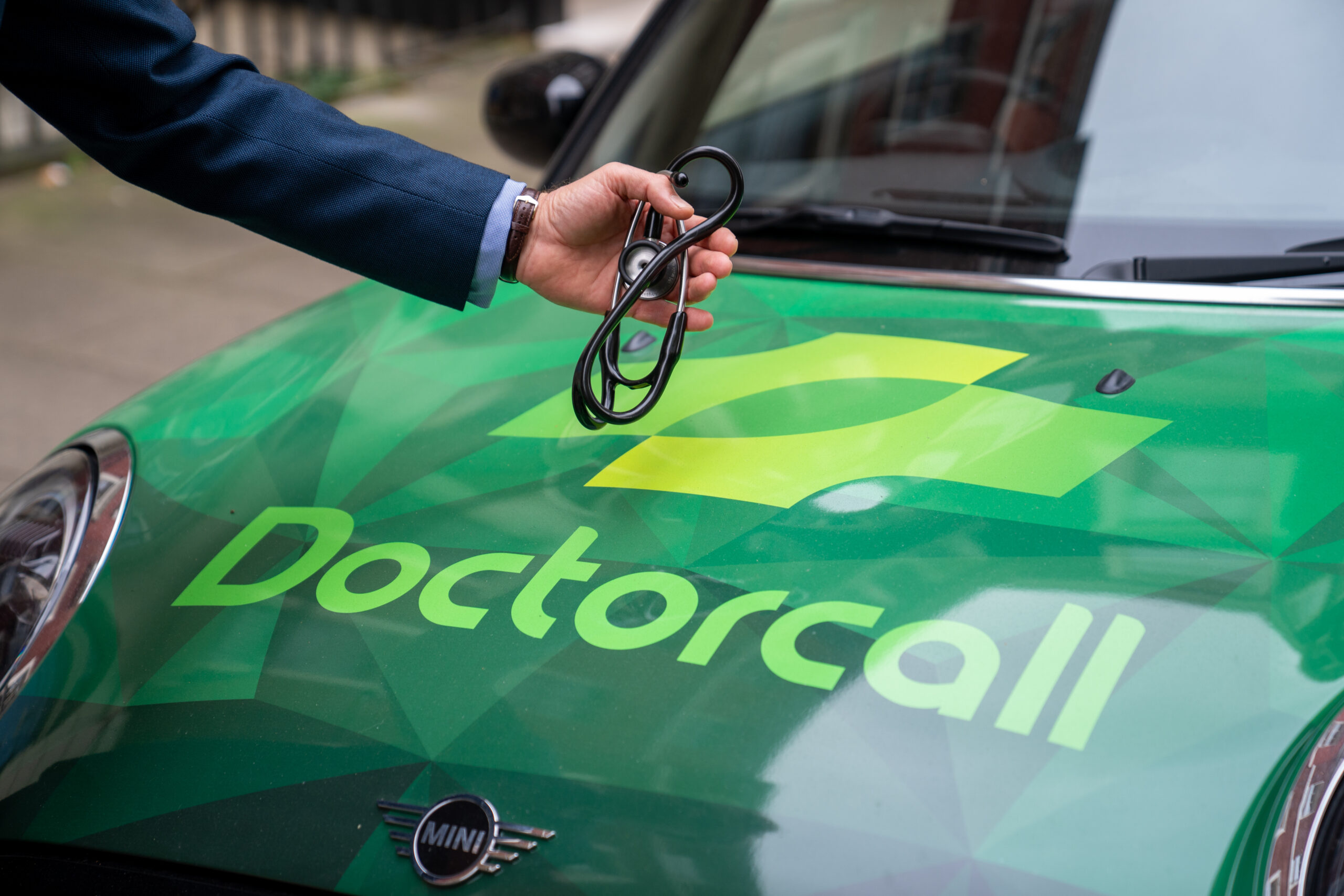
As another busy year draws to a close, it feels natural to look back at where things began and how far they have moved on. Doctorcall’s home visiting doctor service started in a small Chelsea office in 1989 and has grown into one of London’s most trusted names for Private GP home visits, now supported by a wider national network and dedicated membership options that keep a familiar doctor close at hand.
Here, founder Dr Charles Levinson reflects on those early days, the choices and turning points along the way, and the values that continue to shape Doctorcall today.
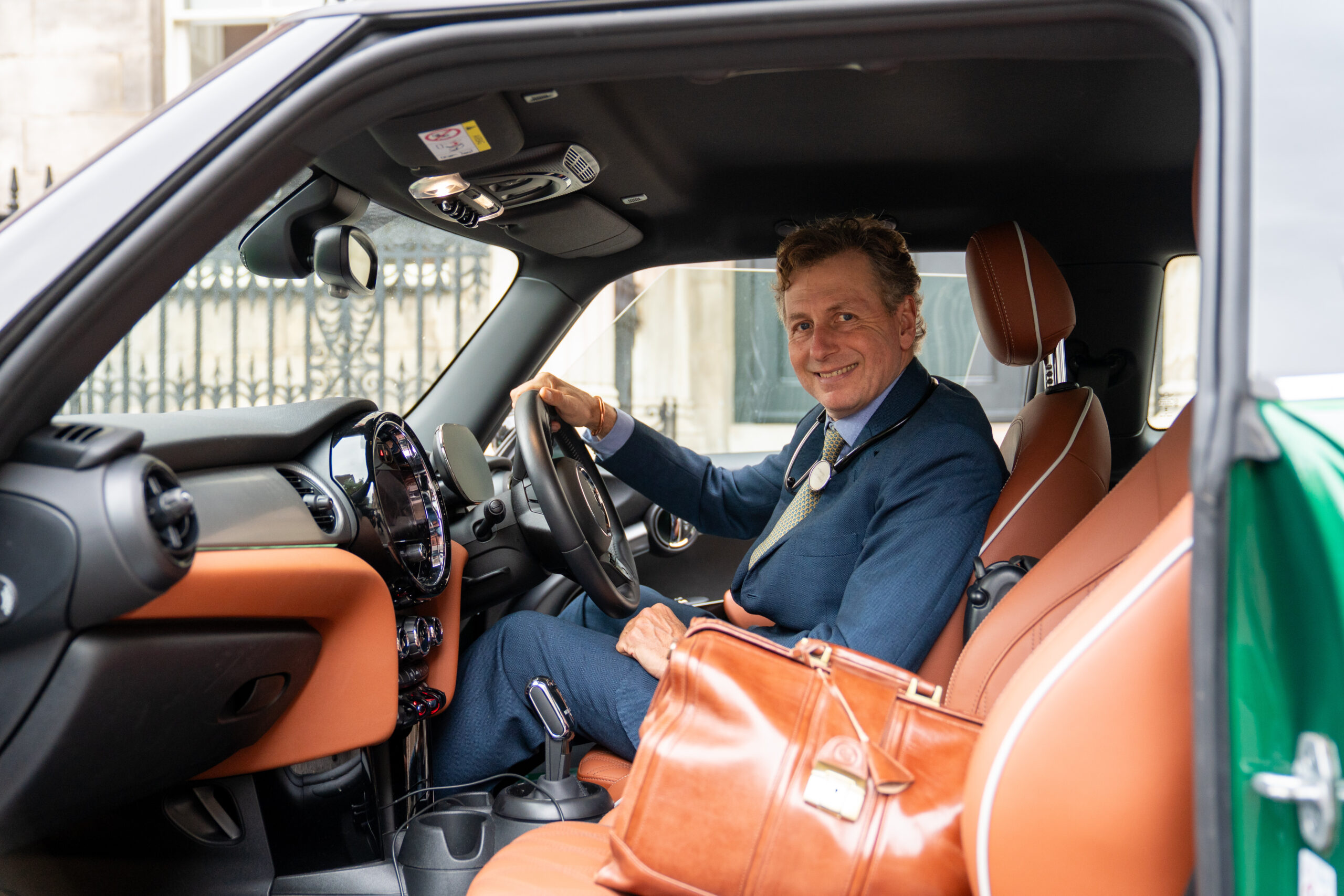
To start, can you take us back to 1989 and describe your thought process behind starting Doctorcall’s visiting doctor service?
Charles: At the time I started it, GPs were just stopping doing home visits. Out-of-hours GP work was coming to an end and I thought that was wrong. I felt there was still a real need for doctor home visits and that they could be viable if they were run efficiently. My aim was to set up a system that would provide home visits in a way that worked for both patients and doctors.
How did Doctorcall’s visiting service get started and who was involved in those early days?
Charles: Initially it was just me plus a secretary. For quite a long time I was the only doctor. We were able to bring in doctors to do out-of-hours cover, because that was incremental income for them. What we could not afford at first was to pay doctors a full daytime salary, so I carried on doing daytime visits myself while handing over some of the nights and weekends.
Eventually we reached a turning point where it became viable to employ doctors for daytime work as well as out-of-hours. One of the first doctors to join us out of hours was Graham Mason, who still works with us today.
What did a typical day look like for you in those early years of running the visiting service?
Charles: I rented an office in Chelsea, in London. I would go there in the day and spend my time doing administration and going out on visits. The office was very central, so it was easy to get to patients from there.
On top of that I had to be available at nights and weekends. For at least a year, probably two, I covered those myself until the service was strong enough to bring in other doctors to share that work.
Is there a memorable early home visit or case that made you think, “This is exactly why this service should exist”?
Charles: There were quite a lot of very rewarding cases. One that stands out is a patient who kept fainting and feeling unwell. He was normally a very healthy man. He went to A&E three or four times and each time they did basic tests and sent him away.
When he saw me, I identified he had a problem which turned out to be an atrial myxoma. It is something that would almost certainly have killed him within a few weeks if it had not been picked up. He was treated, cured and essentially saved from certain death. For years afterwards he would take me out for lunch annually on the anniversary, which was very nice.
Another case I remember from early on was a family who lived in a council house. They were not wealthy at all. The daughter rang about her elderly father, who was ill. The NHS doctors had looked at his record, seen a psychiatric history and decided he was imagining it, so they were unwilling to help. When I arrived it was clear he was moribund. We rushed him to hospital which saved his life. Cases like that made a huge difference and were very rewarding.
“By growing slowly, we survived long enough to reach viability.”
Charles reflects on why a steady, organic approach helped Doctorcall become established.
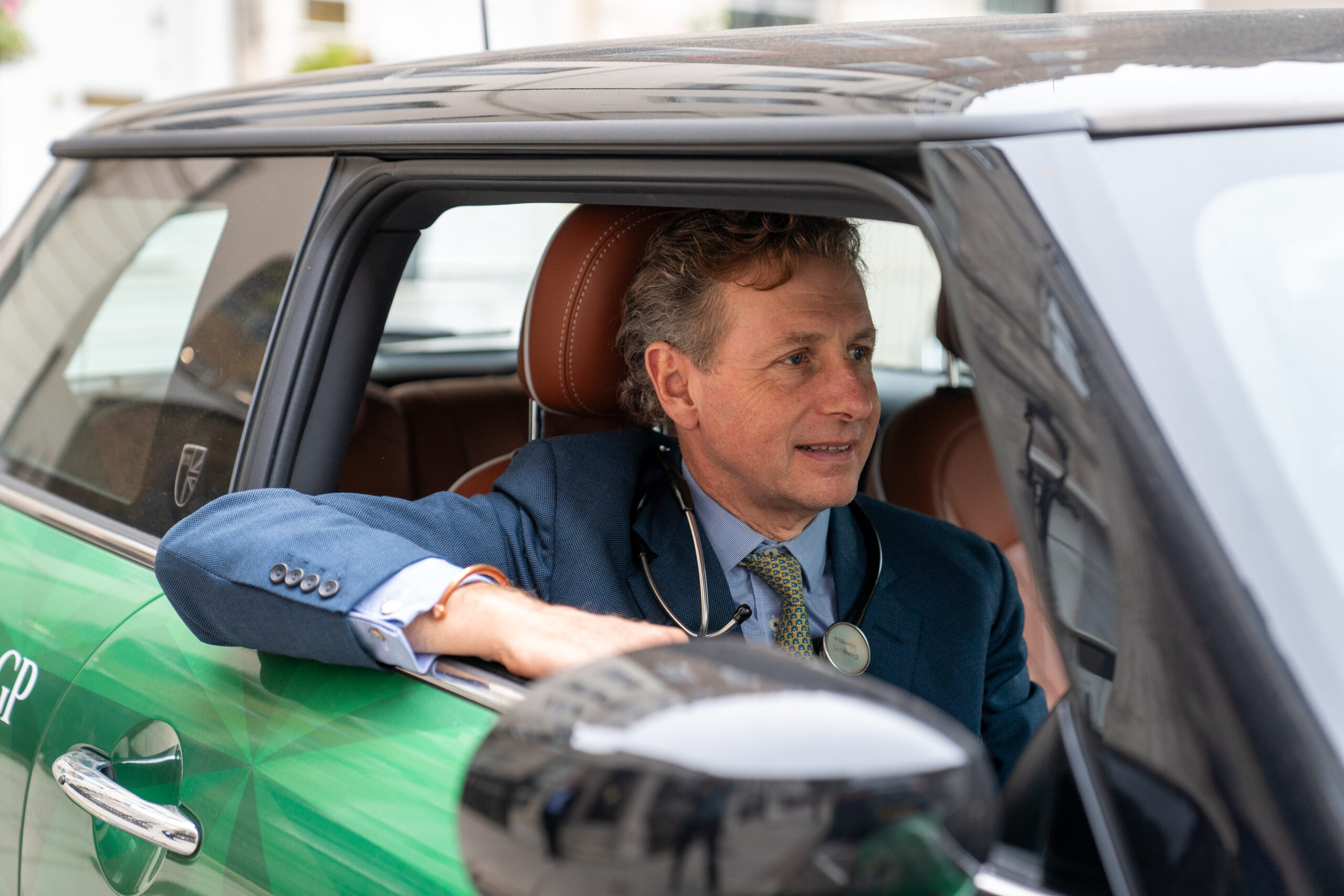
Clinically you were already a doctor, but building Doctorcall also meant building a business. What were the main challenges on that side?
Charles: I realised after some years that there are very different ways of building a business. I read an article comparing how an American might open a shirt company with how someone in China might do it.
In the American model, you raise a large amount of money, build a factory, do lots of market research and then start producing shirts. In the Chinese model, you buy one shirt for five dollars, stand in the street and sell it for ten. Then you buy two shirts, then ten, then you get a market stall, then a shop, and you build up gradually.
I took the Chinese approach. I did not raise capital. I had no backing. I grew it organically, largely by giving my own time for free and keeping overheads very low. It is much slower, but much lower risk. With hindsight, it might have been cleverer to raise money, employ a team and grow more quickly, because it took a very long time to get established.
However, services like this have a big barrier to entry. Others have tried and failed because they ran out of money while still losing money and closed before they built enough goodwill and market penetration. By growing slowly, we survived long enough to reach viability. In some ways that slow organic route may be the only way to do it.
As you started to recruit more doctors, what qualities did you look for beyond the formal qualifications on paper?
Charles: When you provide a home visiting doctor service, you have to be very self-sufficient. You are working in all kinds of environments rather than a standardised clinic, so you rely more on your own judgement and skills than on equipment. That means you need doctors who are inventive and, perhaps better put, resourceful.
The type of patients we see are often different too. Many have been rejected by the NHS, perhaps because their needs do not fit the standard model. Sometimes the problem is as much about what they are trying to do as about their health. It is the interaction between health and ambition.
For example, I remember a rock star with a blister on his finger. A blister is not an emergency to the NHS, but it was an emergency for him because he had to play guitar on stage that night. So you are often dealing with problems no one has specifically trained you for. You have to go back to first principles and be creative in your solutions.
So I looked for doctors who were bright, resourceful and willing to think for themselves to solve problems, rather than simply applying standard protocols.
When you look at Doctorcall today, which parts of your original vision do you still see reflected in the service?
Charles: It is very different from when I started. In the beginning it was like homemade food. Everything was improvised and personal. Now there is more of a formula, but that formula is based entirely on my original experiences.
It is still the same organisation at its core. The difference is that what used to live in my head is now written down as processes and systems.
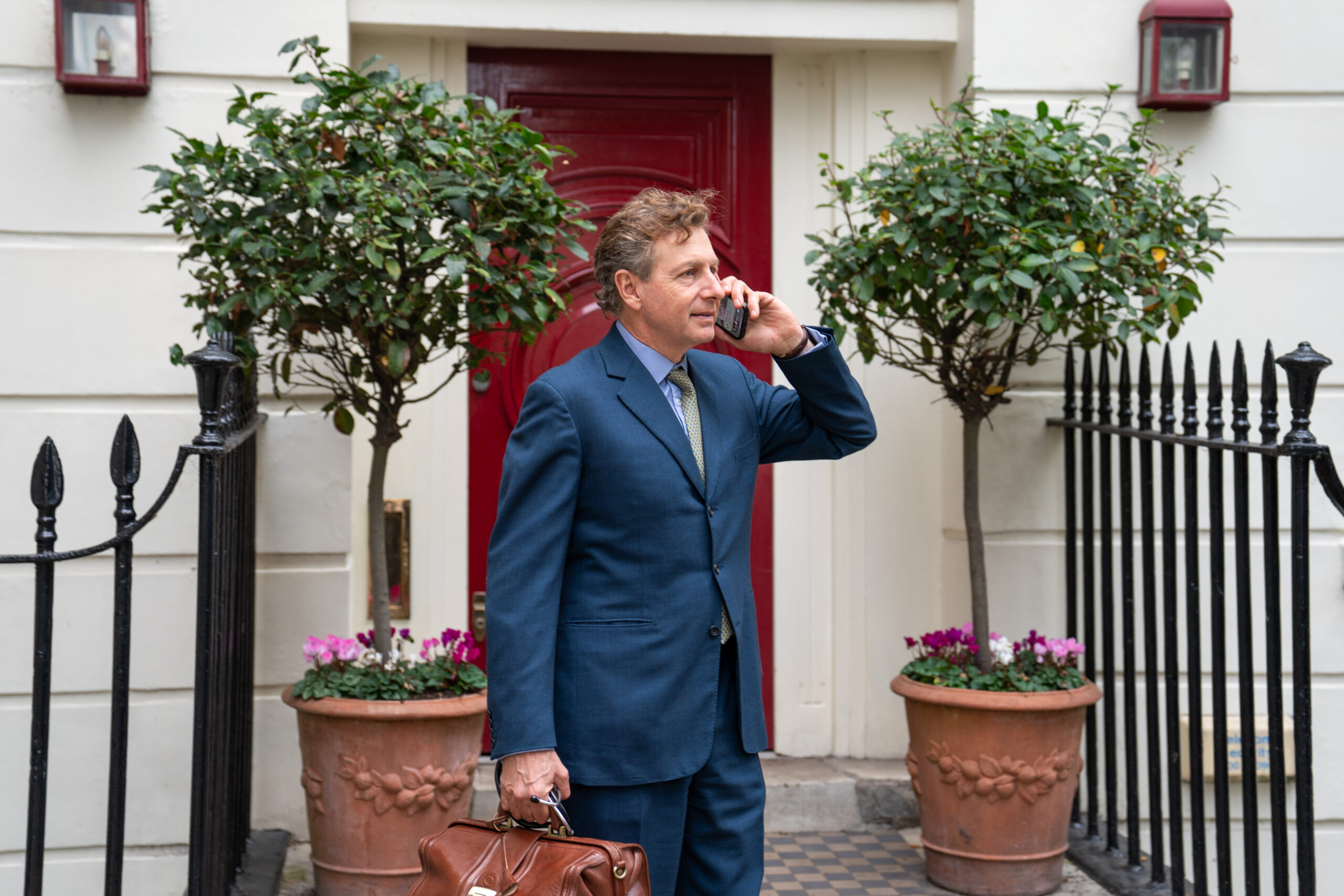
When you think about the holiday season, are there particular stories or themes from Doctorcall’s visiting service that stand out to you?
Charles: One thing we notice at this time of year is how many people become ill simply because they do too much. They get exhausted. It is a tiring period. It is cold, there are viruses everywhere and people push themselves too hard. We are always keen to stress the importance of self-care over the festive period.
I also spent many years on duty on Christmas Day. It is a day doctors do not usually want to work because they want to be with their families, and my family did not really want me to be on duty either. But in many ways it was my favourite day to work.
It was a joyful day to be out helping people and patients were incredibly kind and grateful that I came. There was a real sense of goodwill. Christmas Day can be a very special day to work as a doctor.
“Christmas Day can be a very special day to work as a doctor.”
For Charles, the holiday season has always been about kindness, gratitude and care.
If you could speak to your younger self in 1989, just as Doctorcall was starting, what would you say?
Charles: One important learning point for me has been seeing what happened when the new team joined, with a new chief executive and a larger management structure. It has been inspiring to see how much can be achieved by professionalising things.
I would tell my younger self to bring in that kind of management support much earlier and to have full confidence that the service would grow and do well over time.
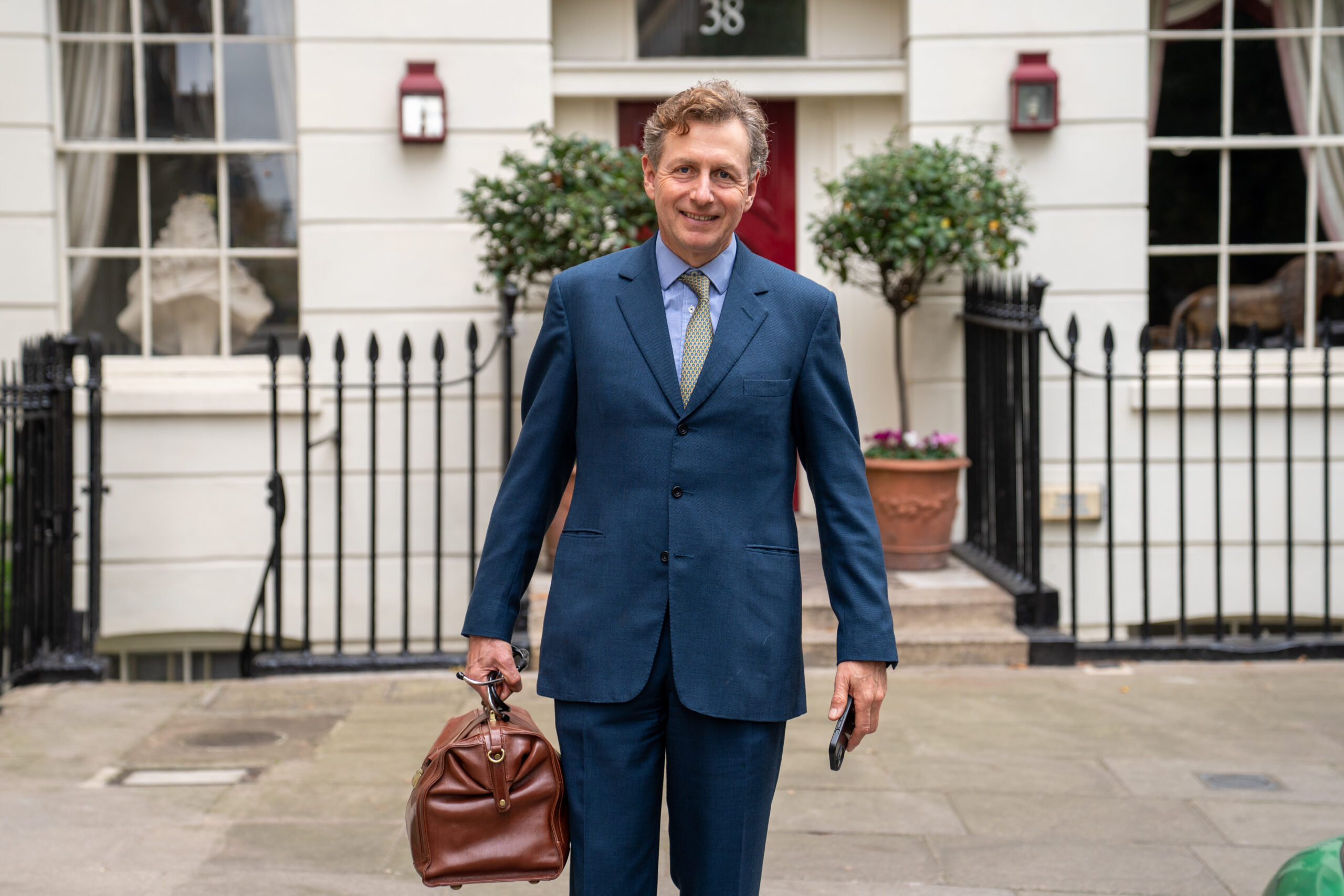
Outside medicine, what interests or passions are most important to you?
Charles: My great passion is horses and horse racing. I have trained racehorses and my son was an amateur jockey for a time, although he now works in tech. I also breed racehorses and live on a livestock farm where we also keep horses. Animals in general, and horses in particular, are something I have a huge love for and connection with.
If you had not become a doctor, is that the career path you would have taken?
Charles: I think so. As a child, a good friend of mine, the same age, went down the path of working with horses. I remember feeling rather jealous while I was busy studying for exams.
His mother gave me some very good advice. She said I had opportunities he did not and that it would be better for me to finish my education and have a professional career, then stay involved with animals, horses and farming alongside that, rather than rely on it as my main livelihood.
It has become more than a hobby, really a second strand to my life, but I am not financially dependent on it. That advice was definitely right.
Is there anything about the visiting service that you feel people should know, whether from the early days or in terms of what it represents today?
Charles: We see an extraordinary range of patients. Some are famous, which is always interesting because you get to know the person behind the public image. Others are from communities I might never otherwise have met, such as Middle Eastern families who come to England for the summer and stay in hotels. That diversity has been fascinating.
There have also been some very unusual and surreal situations. Early on I went to see an American man in a hotel. When we finished the consultation, I told him the fee was thirty pounds. He pulled a suitcase from under the bed, opened it and it was completely full of hundred-dollar bills, probably several million dollars. He handed me one note and said, “There you are, that should do.”
I asked why he had a suitcase full of cash under the bed. He showed me a picture of a helicopter gunship and said, “I’m buying one of these. I own oil wells in Africa and the only way to travel safely there is in a helicopter gunship.” It was a very surreal encounter.
There have been many such surprising situations over the years and I have found them endlessly interesting.
As the visiting doctor service expands nationally, what would you say to doctors who are thinking about joining?
Charles: It is very stimulating work and very different from sitting in a clinic. When you are out and about visiting people you do not feel cooped up like a battery chicken. You feel free.
You have to use your ingenuity, which keeps you mentally engaged. You also do a lot of good. There are many situations where you think, “If they had not been able to call us, they would really have been in trouble.” Knowing that this service exists and that you are part of it is very satisfying. It is stimulating, rewarding and genuinely enjoyable work.
“Knowing that this service exists and that you are part of it is very satisfying.”
Charles on why home visiting medicine remains such meaningful work for doctors.
Finally, is there a piece of advice you would like to leave our readers with, medical or otherwise?
Charles: From a medical perspective, I would say taking creatine in the morning is helpful. More broadly, we see a huge difference between people who are health-conscious and those who are not. That cuts across every group.
Some people drink too much, eat too much and do not exercise. Others drink moderately, eat sensibly and stay active. It does not take very long before those who do not look after themselves start to fall apart. Looking after your own health really does matter.
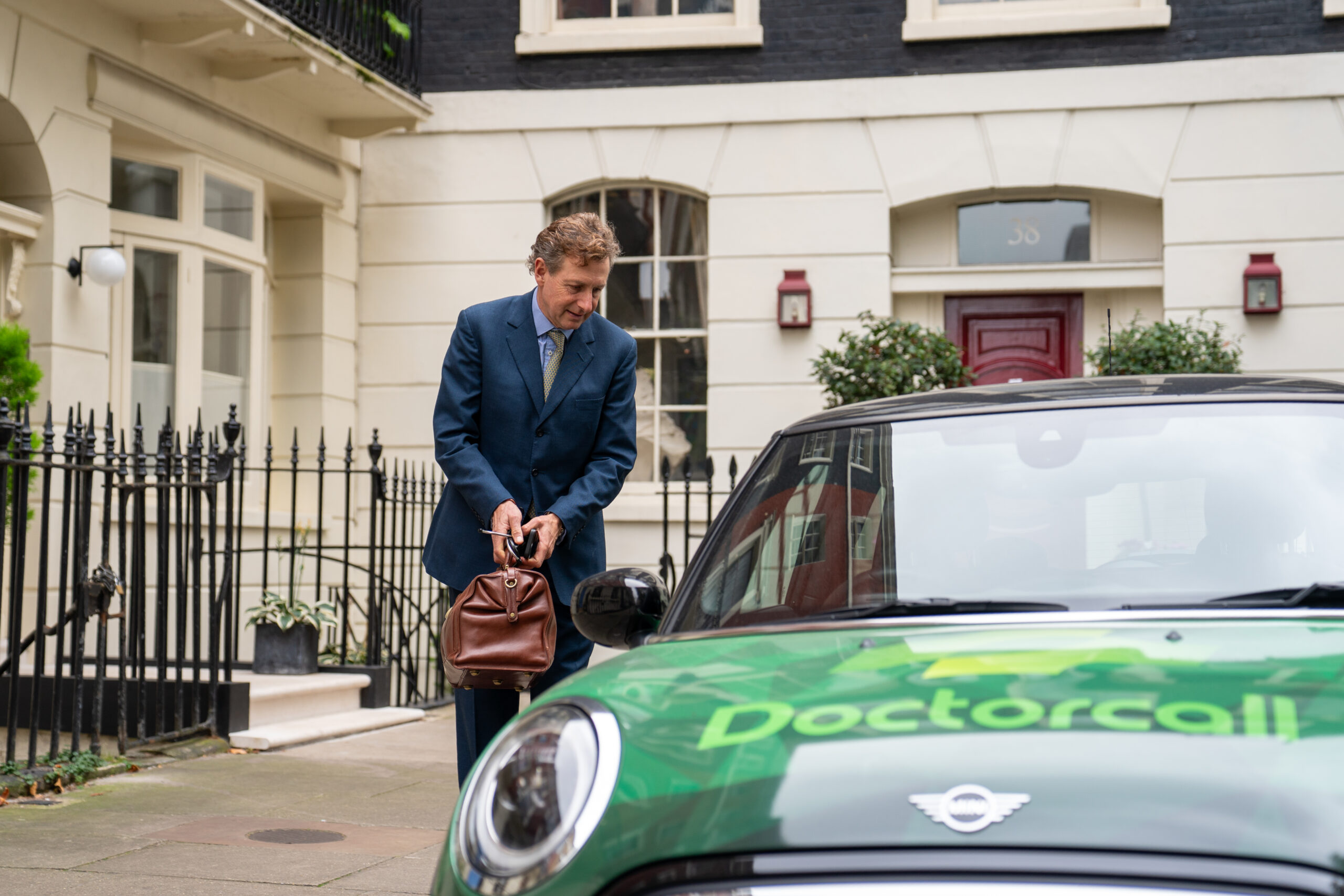
For anyone who would rather open the front door to a private GP than sit in a crowded waiting room, Doctorcall is here through the holiday season and all year round. Our visiting doctors see patients at home, at work and in London hotels, supported by a national housecall service that reaches far beyond the capital and by Doctorcall Concierge Membership for those who want ongoing access and continuity of care.
To book a private GP home visit or enquire about membership, call our 24/7 team on 0344 257 0345 or +44 20 7535 1888 (WhatsApp available), or book a visiting doctor online.