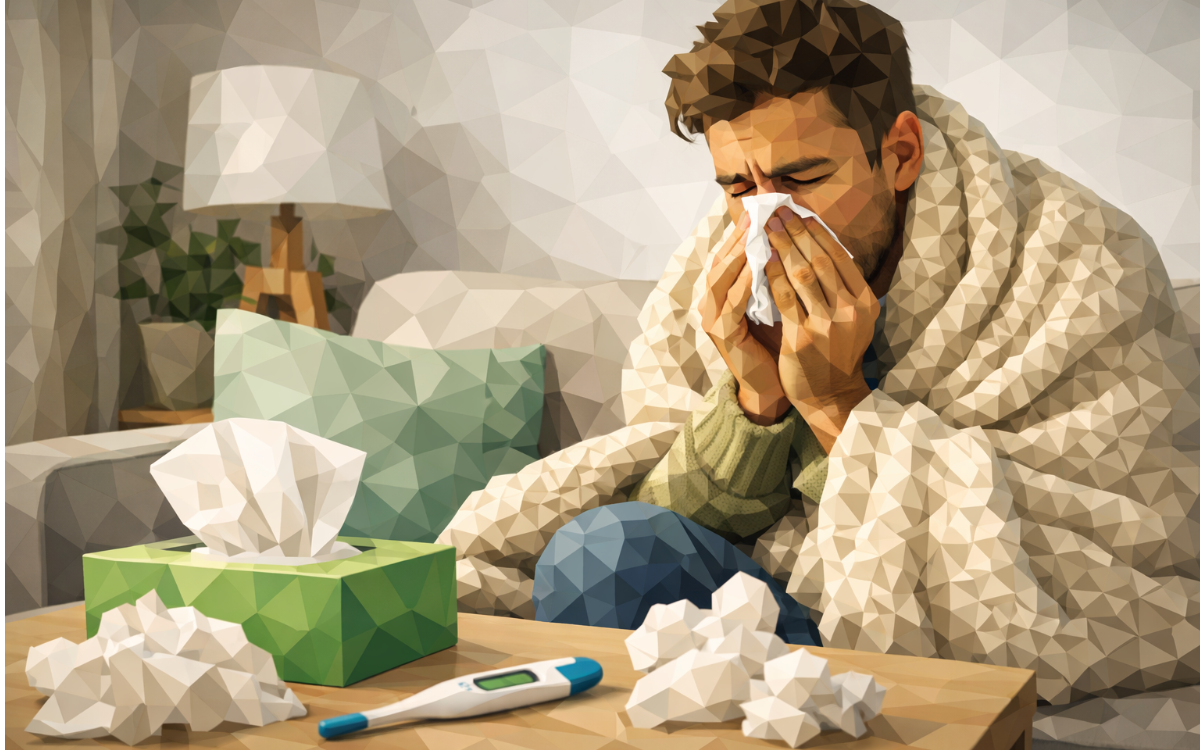
Cold, flu and COVID can overlap more than most people expect. Early on, they can all start with the same basics, a sore or scratchy throat, a cough, fatigue, and feeling generally off. That is why the same questions come up again and again, is this a cold or something more, is it flu, should I test for COVID, and should I keep away from older relatives.
This guide focuses on practical decision-making. It breaks down common symptom patterns, what people tend to notice in the first day or two, how long symptoms often last, and when infection is most likely to spread. It also answers popular questions and finishes with a section on when to speak to a GP and when to seek urgent help.
Quick Snapshot
In the first 24 to 48 hours, COVID, flu and the common cold can look very similar. The clearest clue is usually the overall pattern and whether symptoms are improving or getting worse.
Often gradual. Often milder. Commonly nose symptoms, sneezing, sore throat.
Often sudden. Fever, aches, marked fatigue. Many people feel unable to function normally.
Can resemble either. Wider variation. Testing is the clearest way to confirm when it matters.
Why Cold, Flu, And COVID Get Mixed Up
The quick answer
Because early symptoms overlap. In the first day or two, all three can look the same.
The longer answer
Cold, flu and COVID are different infections, but they trigger many of the same early immune responses. That is why people often start with similar symptoms, a scratchy throat, congestion, a cough, tiredness, and aches. In real life, the first 24 to 48 hours can be the most confusing because symptoms are still developing.
The best clue is usually the overall pattern. A cold often builds gradually and stays relatively mild. Flu is more likely to come on suddenly and feel heavier, often with fever, chills, body aches, and fatigue that can make normal tasks feel difficult. COVID can vary widely and can change over a couple of days.
If you are unsure what to do when you have a respiratory infection, including COVID, more guidance is here.
Symptoms Comparison, What You Might Notice First
This is a simple way to compare common early patterns without trying to diagnose from symptoms alone. What matters most is how symptoms develop over the first 24 to 48 hours, how severe they feel, and whether anything is worsening or concerning. If you are unsure, treat it like a contagious illness, rest early, keep contact low with vulnerable people, and consider a test if the result will change what you do next.
🤧
More common with colds
Gradual start, runny or blocked nose, sneezing, sore throat, milder aches.
🤒
More common with flu
Sudden start, fever, chills, strong aches, heavy fatigue, headache.
Sore throat, cough, fatigue, headache, fever, blocked nose. Variation is common. Testing helps when it matters.
Coughs Explained, Dry, Wet, And What It Means
Cough type is not a reliable way to label a virus on its own. Coughs change as an illness progresses. Post-nasal drip can trigger coughing that sounds wet even when the chest is clear. The most useful clues are the overall pattern, how you are feeling, and whether the cough is improving over time.
COVID cough, dry or wet
It varies. Many start with a dry cough. Some become more productive later, often due to airway irritation or post-nasal drip.
Flu cough, dry or wet
Often dry at the start. It can feel harsh and can come with chest soreness from frequent coughing. It may become more productive over time.
How Long Do These Illnesses Last
Most winter infections follow a familiar pattern. Symptoms build, peak, then ease gradually. Feeling tired for longer than you expected is common, especially after flu and COVID. A cough can also linger after the infection itself has passed because the airways stay irritated.
Cold
Often improves within about 7 to 10 days, although a cough can linger.
Flu
Often feels more intense and can take longer to fully shake off, especially fatigue.
COVID
Varies. Some recover quickly, while tiredness and cough can last longer in some people.
What matters is the direction. If symptoms are not improving, are getting worse after a few days, or you develop breathlessness or chest pain, it is sensible to speak to a GP. More guidance on shortness of breath and chest pain can help you decide what to do next.
What Helps In The First 24 To 48 Hours
✓
Rest. Lower expectations for a day or two and pause non-essential tasks.
✓
Fluids. Drink little and often. Warm drinks can feel soothing.
✓
Light meals. Keep food simple. Small portions are often easier.
✓
Sleep. Aim for an earlier night. Keep the room cool and screens low.
✓
Ventilation. Open a window for a few minutes each day to refresh the air.
Antibiotics note
Antibiotics do not treat viral infections like colds, flu, or most cases of COVID. If you are unsure what to do, More advice on reducing spread can support sensible choices at home.
Quick FAQs On COVID vs Flu vs Cold
What are the very first signs of COVID
Often sore throat, fatigue, cough, headache, fever, and a runny or blocked nose. More guidance on COVID symptoms is
here.
How to tell the difference between a cold or the flu
Look at the pattern. Colds often build gradually and stay milder. Flu often arrives suddenly, with stronger fever, aches, and fatigue. More guidance on
colds and
flu can help.
Does COVID come on suddenly like the flu
It can, but many people find it builds over 1 to 2 days. Flu more often feels abrupt and intense from the start. If you have a respiratory infection and need a clear plan, more guidance is
here.
What are 5 symptoms of the flu
Fever, chills, body aches, marked fatigue, and headache. Many people also get a cough. More guidance on flu is
here.
How can I tell if I have COVID or a cold
You often cannot tell from symptoms alone. If it matters for work, travel, or contact with higher-risk people, a test is the clearest way to confirm. More guidance on avoiding spread is
here.
Does COVID start with a sore throat
Yes, it can. A sore throat is common early on, but it overlaps with colds, so it is not a reliable sign on its own. More guidance on COVID symptoms is
here.
Which lasts longer, cold or flu
Colds often improve within about a week, though coughs can linger. Flu tends to feel more intense and fatigue can last longer. More guidance on
colds and
flu can help you compare.
Is COVID a dry or wet cough
It varies. Many start with a dry cough. Some become more productive later due to airway irritation or post-nasal drip. More guidance on cough is
here.
How many days fever with COVID
Commonly a few days, often around 2 to 5 if a fever occurs. If fever persists, returns after improving, or you feel increasingly unwell, arrange a clinical review. For children, more guidance on fever is
here.
When should I get help for breathlessness or chest pain
If breathing feels harder than normal, you have chest pain, or you feel concerned, seek medical advice. More guidance on
shortness of breath and
chest pain can support your next step.
References